


LI-11 (Quchi): The Go-To Acupuncture Point for Clearing Heat
Clear heat from everywhere. That's the one phrase to remember about LI-11. Whether the heat comes from excess or deficiency, and from whichever organ, LI-11 is one of the first points I reach for to clear it. Its Chinese name is Quchi (曲池), "Pool at the Crook." The...
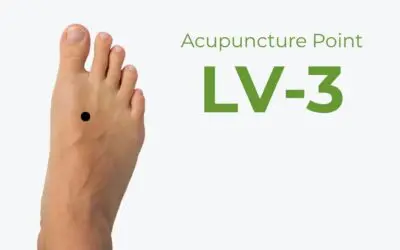
LV3: The Point for When You’re Just…Irritated
If SP6 is the point I reach for most in gynaecology, LV3 is the point I reach for most in everything else. Stress, frustration, headaches, menstrual irregularity, even blood pressure — LV3 shows up in more of my treatment plans than almost any other point, and once...

CV4 Acupuncture Point: The Point at Our Centre of Gravity
Long before anyone was running randomized controlled trials, TCM physicians were already treating one small spot on the lower abdomen as the body's power source. It sits roughly at the anatomical center of gravity — the point where, if you could balance the body on a...
De Qi at LI4: The Anatomy That Makes This Point Feel Weird
Every practitioner who's needled LI4 knows there isn't just one sensation — there's a quick surface prick, and then, deeper, something else: a heavy, spreading, dull ache. Those two sensations aren't the same event happening twice. They come from two distinct...
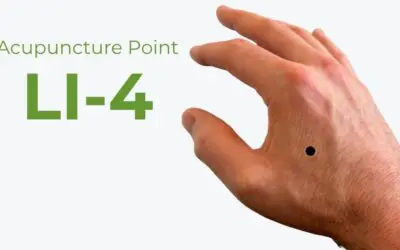
LI4 Acupuncture Point (Hegu): Location, Functions & Uses
There's a reason every acupuncture student learns this point in their first month of school - some know of this point BEFORE they even start learning about acupuncture. He Gu. Union Valley. It's the Yuan-Source point of the Large Intestine channel, sitting right...
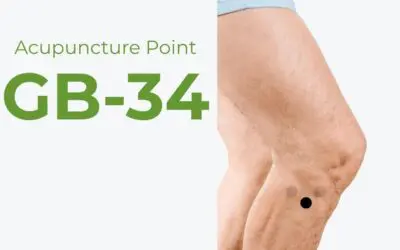
GB34 Acupuncture Point (Yanglingquan): A Very “Influential” Acupuncture Point
When a patient's pain involves tendon issues, GB34 is usually the first point that comes to mind — and classical theory backs that instinct up directly. Yanglingquan. Yang Mound Spring. Is the Influential Point of Tendon and Sinews — the single point classical theory...